/ 7 5
C A M B R I D G E I N D U S T R I A L T R U S T
A N N U A L R E P O R T 2 0 1 5
SUSTAINABLE BUSINESS
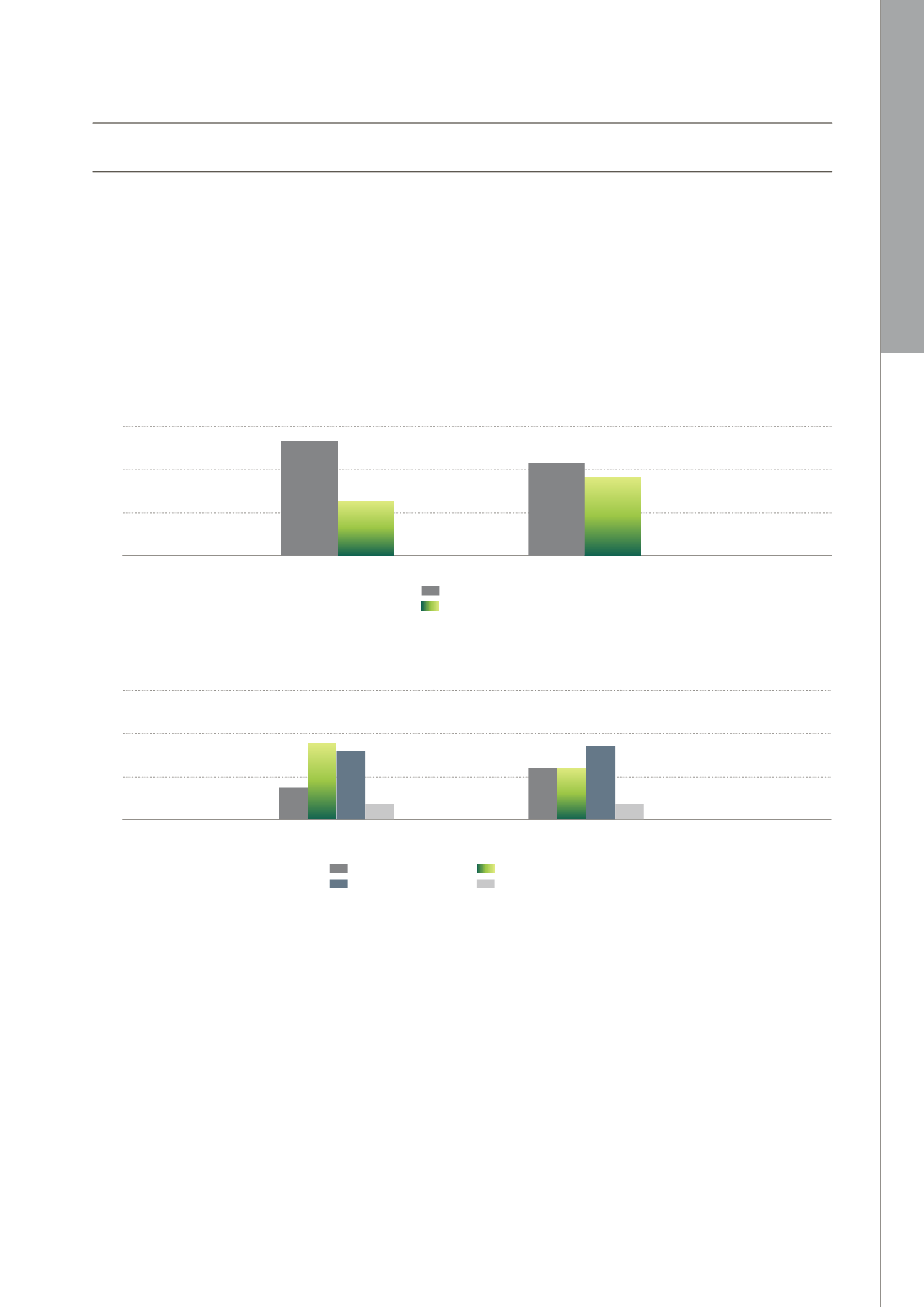
Figure 2: Employee Gender Composition in Percentage
Figure 3: Employment Category in Percentage
Female
Male
Senior management
Executive
Middle management
Non-executive
75%
50%
25%
0%
75%
50%
25%
0%
2015
54
46
2014
32
68
2014
16
40 36
8
2015
27 27
38
8
Employee Wellness and Engagement
The Manager strongly believes that focus on employees’
well-being is top priority because it is linked to greater
job satisfaction, which in turn lowers turnover rates and
increases productivity. The Manager has developed a
Helping Employees Achieve Lifetime Health (HEALTH)
Charter that emphasises an integrated workplace health
programme which enables the employees to achieve an
optimum level of physical, mental and social well-being.
As part of HEALTH, the Manager aims to implement
activities that enhances the health and well-being of staff
through weekly exercises, health talks and workshops.
Environment
The Manager is also committed to reducing its
environmental impact, aspiring to be one of the Greenest
Industrial REITs in South East Asia. This is in response to
the increasing expectations from investors and tenants to
reduce environmental impact and in turn lower operating
costs over the long term.
The Manager targets a 5% reduction of Energy Use per
unit GFA – Energy Utilisation Index over the five year
period from 2016 to 2020. The total landlord energy
consumption in 2015 was 9,146,057kWh, of which
741,245 kWh was generated by in-house solar energy
The Team Profile
The Manager had total staff strength of 26 employees as at
31 December 2015, comprising full-time and part-time staff
which the latter made up of temporary staff and interns.
Out of this total headcount, the majority CIT’s employees
are Singaporeans aged below 40 years of age. This reflects
the Manager’s preferred policy to employ staff with local
experience. The charts below show gender composition
and employment category (Figure 2, Figure 3).


